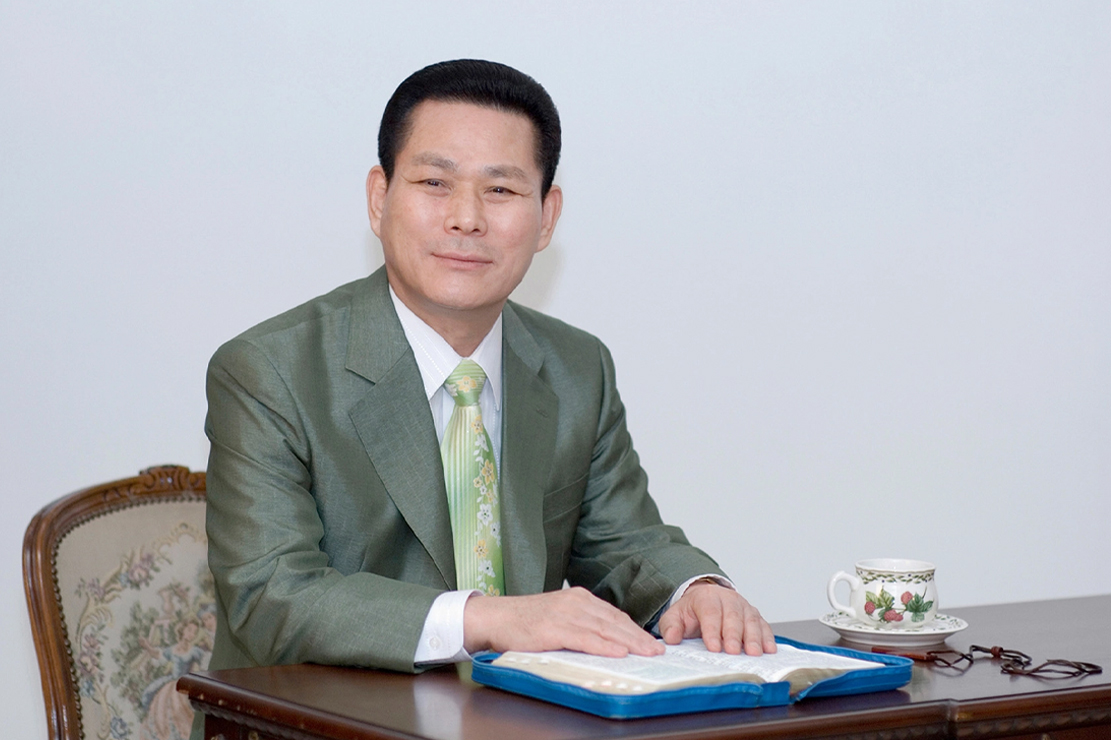
The Power of Fasting and Prayer
Reading Scripture: Jonah 3:1-10
Verse to Memorize: Jeremiah 33:3 Reference: Isaiah 58:3-9 Goal: to help believers understand the kind of fasting and prayer in which God takes delight and receive answers to their petition God the Almighty wants to respond to whatever His beloved children ask of Him.
No matter how impossible our heart's desire may seem to be, if we ask in the will that pleases God the Father, He will fulfill it. The keys to receiving the answers from God are in God-pleasing fasting and the prayer that God wants from us. Let's look into them.
- 1. The people of Nineveh received God's answer through fasting and prayer
Nineveh was the capital city of Assyria which was a super power empire of its time. But the wickedness of its citizens had become so great that it came up before God. So, God told Jonah to go to the city and proclaim the will of God. Jonah was a prophet who worked in the northern kingdom of Israel around 785 BC. Assyria had cause serious trouble for his country, Israel, and he wanted it to fall. So, he didn't obey the command of God and took a ship that was going to Tarshish instead, which is in the opposite direction from Nineveh! God brought a great storm on the sea on the sea like a hurricane and it was so strong that the ship was about to break up.
The people on the ship cast lots to determine who was responsible for the disaster and the lot fell on Jonah. He ended up being thrown into the sea. Surprisingly, the sea became calm. God prepared for a great fish to come and swallow Jonah. Jonah was in the stomach of the fish three days and three nights. He couldn’t eat anything and, in repentance, cried out to God. Then, God commanded the fish to spit Jonah out onto dry land. Finally, he went to Nineveh and proclaimed, ‘Yet forty days, and Nineveh will be overthrown!’ Though they were Gentiles, all the people of Nineveh—both young and old—fasted and repented before God. Hearing this, the king of Nineveh also laid aside his robe, covered himself with sackcloth and sat on ashes. He issued a proclamation and it said, in Nineveh by the decree of the king and his nobles: Do not let man, beast, herd, or flock taste a thing. Do not let them eat or drink water.
But both man and beast must be covered with sackcloth; and let men call on God earnestly that each may turn from his wicked way and from the violence which is in his hands?(Jonah 3:7-8). They showed their hearts through fasting, set themselves apart from evil deeds, and cried out in fervent prayer. Then, God stopped the calamity that He would have brought upon the people in Nineveh. This shows us just how truly powerful fasting and prayer really can be. In a bid to receive a great answer from God, we should also repent before God, discipline our bodies to make it our slave, and then fast and cry out in prayer.
- 2. God-pleasing fasting
The period of fasting is variable. It can be a meal, a day, two days, three days, five days, seven days, and more. Those who are not accustomed to fasting can start with single meal fasting or fasts lasting a period of one or two days- or as long as one is able to fast. It is important that if one plans to offer up long-period fasting, he or she should receive the Spirit's urging in fullness of the Spirit concerning the proper time and period for the fasting. Isaiah 58:6-7 reads, Is this not the fast which I choose, to loosen the bonds of wickedness, to undo the bands of the yoke, and to let the oppressed go free and break every yoke? Is it not to divide your bread with the hungry and bring the homeless poor into the house; when you see the naked, to cover him; and not to hide yourself from your own flesh?? Isaiah 58:4-5 says, Behold, you fast for contention and strife and to strike with a wicked fist. You do not fast like you do today to make your voice heard on high.
Is it a fast like this which I choose, a day for a man to humble himself? Is it for bowing one's head like a reed and for spreading out sackcloth and ashes as a bed? Will you call this a fast, even an acceptable day to the LORD?? Fasting that is pleasing before God is not just skipping meals? but it should be accompanied by earnest prayer and rendering of the heart. Some just sleep while fasting, saying they are lethargic. However, what God wants is our crying out in prayer. Even during fasting, we can cry out in prayer if we receive God's grace and strength. Also, we should pray with love and shouldn't amuse ourselves with entertainment or personal recreation during fasting (Isaiah 58:3).
If we offer up such fasting, God gives us the promise found in Isaiah 58:8-9 that says, if you remove the yoke from your midst, the pointing of the finger and speaking wickedness. Then your light will break out like the dawn, and your recovery will speedily spring forth; and your righteousness will go before you; the glory of the LORD will be your rear guard. Then you will call, and the LORD will answer; you will cry, and He will say, Here I am.
- 3. The kind of prayer God wants
Not only fasting but prayer also can bring down answers from God only when it is proper in the sight of God. The Bible tells us about many cases where people brought down the power of God and His answers through prayer. Then, what kind of prayer does God want to receive?
Firstly, we should pray habitually as in 1 Thessalonians 5:18 which reads, Pray without ceasing? Jesus also habitually prayed this way as written in Luke 22:39, and Peter and John also set aside time to pray as written in Acts 3:1.
If you clean your room every day, it doesn't take you so long. But if you leave a mess to accumulate for a long time, it piles up and your room is stained with it. Then, cleaning takes you a very long time. Likewise, if you habitually pray every day, you will not be faced with trials and afflictions. Even if you met with them, they will be gone quickly and habitual prayer causes all things to work together for good. For those who start to pray after they met with afflictions, it takes long time to destroy those walls of sins against God.
Secondly, we should kneel down in prayer. When we kneel down, we can collect our thoughts, and it is also the expression of reverence before the listener. We may try to behave well before our parents or the President of our country. Then, would it not be natural for us to kneel down when we pray to God the Creator! Jesus, who is the Son of God, also knelt down in prayer (Luke 22:41). Deacon Stephen also prayed on his knees even while being stoned to death (Acts 7:60).
Thirdly, we should cry out in prayer (Jeremiah 29:12-13, 33:3). Acts chapter 4 describes the Early Church where great and powerful works were manifested and great revival occurred. By crying out in prayer in severe persecutions, the church members were filled with the Holy Spirit and many signs and wonders followed. When there was no water for the Israelites in the wilderness, Moses cried out to God. Then, the bitter water changed into sweet drinkable water (Exodus 15:22-25).
- 4. Deeds of those who received answers from God
When Israel suffered severe drought without rain for three and a half years, Elijah brought down the answer of rain by praying on Mt. Carmel. He was so earnest in prayer that he bent down and put his face between his knees because he felt cramping and pain in his stomach like his intestines twisting. Daniel repented of sins of the people of Israel with fasting, sackcloth and ashes even 70 years after he was taken as a captive to Babylon and though he was old. His prayer was answered. Gabriel the archangel brought God's answer to him and also gave him insight with understanding and revealed a great and amazing thing. The archangel taught him about the Messiah who was to come and things that would happen at the end of the world. Jesus also called out in prayer.
In the night before he was captured, he prayed in the place called Gethsemane. His prayer is illustrated in Luke 22:44, and being in agony He was praying very fervently; and His sweat became like drops of blood, falling down upon the ground.?He prayed with His heart, mind, and dedication. What we have to remember, we must not pray following our own lustful desire to receive answers to our prayer. We can ask God what we need according to our faith, position, and duty.
But, if we ask with lust and greed, answers won't come to us (James 4:2-3). Also, we have to believe that we already have received what we asked God of with faith. Mark 11:24 reads, all things for which you pray and ask, believe that you have received them We must ask in faith without any doubting (James 1:6-7). Therefore, I hope you will receive answers to whatever you pray for through God-pleasing fasting and the prayer that moves the heavenly throne.
Nguvu ya Kufunga na Kuomba
Soma: Yona 3:1-10
Mstari wa kukariri: Yeremia 33:3
Marejeo: Isaya 58:3-9. Lengo: kuwasaidia waumini kuelewa aina ya kufunga na kuomba inayompendeza Mungu ili wapokee majibu ya maombi yao.
Mungu Mwenyezi anataka kuwajibu watoto wake wapendwa wanapomwomba. Hata tamanio la moyo likionekana haliwezekani, Mungu atalitimiza tukiliomba kulingana na mapenzi yanayompendeza Baba. Funguo za majibu ni kufunga kunakompendeza Mungu na maombi anayoyataka. Tujifunze kuhusu mambo hayo.
- 1. Watu wa Ninawi walipokea jibu kwa kufunga na kuomba
Ninawi ulikuwa mji mkuu wa Ashuru, milki yenye nguvu wakati huo. Uovu wa watu wake ulikuwa mwingi mbele za Mungu, akamtuma nabii Yona atangaze mapenzi yake. Yona alihudumu katika ufalme wa kaskazini wa Israeli karibu mwaka 785 K.K. Ashuru ilikuwa imeisumbua sana nchi yake, naye alitaka ianguke. Kwa hiyo hakutii agizo la Mungu, bali akapanda meli iliyokuwa ikielekea Tarshishi, upande wa pili wa Ninawi. Mungu akaleta dhoruba kali baharini, hata meli ikakaribia kuvunjika.
Watu wa meli wakapiga kura kujua nani alikuwa chanzo cha msiba, kura ikamwangukia Yona. Wakamwacha baharini, dhoruba ikatulia. Mungu akaandaa samaki mkubwa akammeza Yona. Alikaa tumboni mwa samaki siku tatu mchana na usiku bila chakula, akatubu na kumlilia Mungu. Mungu akamwamuru samaki amteme nchi kavu. Hatimaye Yona akaenda Ninawi akatangaza, “Baada ya siku arobaini Ninawi utaangamizwa!” Ingawa walikuwa watu wa mataifa, wote—wadogo kwa wakubwa—walifunga na kutubu. Mfalme akavua vazi lake, akavaa gunia na kuketi katika majivu. Akatangaza kwamba mtu na mnyama wasile wala kunywa maji; wote wavae magunia, wamwite Mungu kwa bidii na kuacha njia zao za uovu na ukatili (Yona 3:7-8).
Kwa kufunga walionyesha mioyo yao, wakaacha matendo maovu na kuomba kwa bidii. Mungu akasitisha maafa aliyokuwa amepanga kuwaletea. Hili linaonyesha nguvu ya kufunga na kuomba. Ili tupokee jibu kuu, tutubu mbele za Mungu, tuutawale mwili wetu na kisha tufunge na kuomba kwa bidii.
- 2. Kufunga kunakompendeza Mungu
Muda wa kufunga hutofautiana: mlo mmoja, siku moja, mbili, tatu, tano, saba au zaidi. Wasiokuwa wamezoea kufunga wanaweza kuanza kwa kuacha mlo mmoja au kufunga siku moja au mbili, kadiri wanavyoweza. Anayetaka kufunga muda mrefu anapaswa kufuata msukumo wa Roho Mtakatifu akiwa amejazwa naye, kuhusu wakati na muda unaofaa. Isaya 58:6-7 hufundisha kwamba mfungo anaouchagua Mungu hufungua vifungo vya uovu, huvunja nira, huwaweka huru walioonewa, na kumgawia mwenye njaa chakula, kumkaribisha maskini asiye na makao na kumvika aliye uchi.
Isaya 58:4-5 hukemea kufunga kwa ugomvi na uovu, au kujifanya mnyenyekevu kwa kuinamisha kichwa kama unyasi na kulala juu ya gunia na majivu ili tu kusikika juu. Mfungo unaompendeza Mungu si kuacha chakula pekee; unapaswa kuandamana na maombi ya bidii na moyo uliotubu. Wengine hulala tu wanapofunga wakisema wamelegea, lakini Mungu anataka tumlilie kwa maombi. Tukipokea neema na nguvu zake, tunaweza kuomba kwa bidii hata tunapofunga. Tuombe kwa upendo na tusijishughulishe na burudani au starehe binafsi wakati wa mfungo (Isaya 58:3).
Tukifunga hivyo, Mungu anaahidi katika Isaya 58:8-9 kwamba nuru yetu itachomoza kama mapambazuko, afya itarudi upesi, haki itatutangulia na utukufu wa Bwana utatulinda. Tutamwita naye atajibu; tutamlilia naye atasema, “Mimi hapa.”
- 3. Aina ya maombi anayotaka Mungu
Si mfungo pekee unaoleta majibu; maombi pia yanapaswa kuwa sawa machoni pa Mungu. Biblia hueleza watu wengi waliopokea nguvu na majibu ya Mungu kwa kuomba. Basi anataka tuombeje? Kwanza, tuombe kwa mazoea. 1 Wathesalonike 5:17 hutuambia tuombe bila kukoma; Yesu aliomba kwa mazoea (Luka 22:39), na Petro na Yohana walitenga muda wa kuomba (Matendo 3:1).
Ukisafisha chumba kila siku, haichukui muda mrefu. Ukiiacha fujo ijikusanye, chumba huchafuka na kusafisha huchukua muda mrefu. Vivyo hivyo, tukiomba kila siku kwa mazoea, majaribu na mateso hayatuzidi; yakitokea, huondoka upesi na mambo yote hufanya kazi pamoja kwa mema. Wanaoanza kuomba baada ya kupata shida huhitaji muda mrefu kuondoa kuta za dhambi kati yao na Mungu.
Pili, tupige magoti tunapoomba. Kupiga magoti hutusaidia kukusanya mawazo na huonyesha heshima kwa tunayemwendea. Tunajaribu kuwa na adabu mbele ya wazazi au rais wa nchi yetu; si vizuri zaidi kupiga magoti tunapoomba kwa Mungu Muumba? Yesu Mwana wa Mungu alipiga magoti kuomba (Luka 22:41), na Stefano aliomba kwa magoti hata alipokuwa akipigwa mawe hadi kufa (Matendo 7:60).
Tatu, tumlilie Mungu kwa sauti katika maombi (Yeremia 29:12-13; 33:3). Matendo 4 hueleza kanisa la kwanza lililoona kazi kuu na uamsho mkubwa. Waumini walipokuwa wakiteswa vikali, walimlilia Mungu; wakajazwa Roho Mtakatifu na ishara na maajabu mengi yakatokea. Waisraeli walipokosa maji jangwani, Musa alimlilia Mungu; maji machungu yakawa matamu na ya kunyweka (Kutoka 15:22-25).
- 4. Matendo ya waliopokea majibu ya Mungu
Israeli ilipokumbwa na ukame wa miaka mitatu na nusu bila mvua, Eliya aliomba juu ya Mlima Karmeli na kupata jibu la mvua. Alikuwa akiomba kwa bidii sana, akainama na kuweka uso wake kati ya magoti yake. Danieli, ingawa alikuwa mzee na alikuwa ametekwa Babeli miaka 70 iliyopita, alitubu dhambi za watu wa Israeli kwa kufunga, kuvaa gunia na kujipaka majivu. Mungu akajibu; malaika mkuu Gabrieli akamletea jibu, ufahamu na ufunuo kuhusu Masihi atakayekuja na mambo ya mwisho wa dunia.
Yesu naye aliomba kwa sauti. Usiku kabla ya kukamatwa aliomba Gethsemane. Luka 22:44 husema alipokuwa katika uchungu aliomba kwa bidii zaidi, jasho lake likawa kama matone ya damu yanayodondoka chini. Aliomba kwa moyo, mawazo na kujitoa kwake kote. Kumbuka tusifuate tamaa zetu wenyewe tunapoomba majibu. Tunaweza kumwomba Mungu mahitaji yetu kulingana na imani, nafasi na wajibu wetu.
Tukiomba kwa tamaa na uchoyo, hatutapokea (Yakobo 4:2-3). Pia tuamini kwamba tumepokea tunachomwomba kwa imani. Marko 11:24 husema yote tuombayo na kusihi, tuamini kwamba tumeyapokea; tuombe bila shaka (Yakobo 1:6-7). Naomba upokee majibu ya maombi yako kupitia mfungo unaompendeza Mungu na maombi yanayogusa kiti cha enzi cha mbinguni.